


The Role of Braided Sleeves in Electric Wire and Cable Protection
2026-07-24 09:38Braided sleeves are essential protective accessories for various wires and cables in daily and industrial wiring. Different braided materials and installation positions bring completely different protective effects. In general, cable braided products are divided into two major categories: fiber braided sleeves and metal braided sleeves. Each type plays an irreplaceable role in stabilizing cable performance and extending wiring service life.
Practical Functions of Fiber Braided Protective Sleeves
Fiber braided sleeves are lightweight outer protective layers for wire harnesses. They mainly protect cable insulation from external environmental erosion and mechanical damage, including high temperature, low temperature, acid and alkali gas corrosion, as well as daily friction and extrusion. Some fiber braided structures are used as intermediate reinforcement layers to improve the temperature resistance and overall toughness of cable sheaths.
Common types include braided split wire loom, zipper braided cable sleeve, PET expandable braided sleeving, nylon expandable braided sleeving, meta-aramid braided sleeve , fiberglass sleeving, silicone coated fiberglass sleeve and so on.
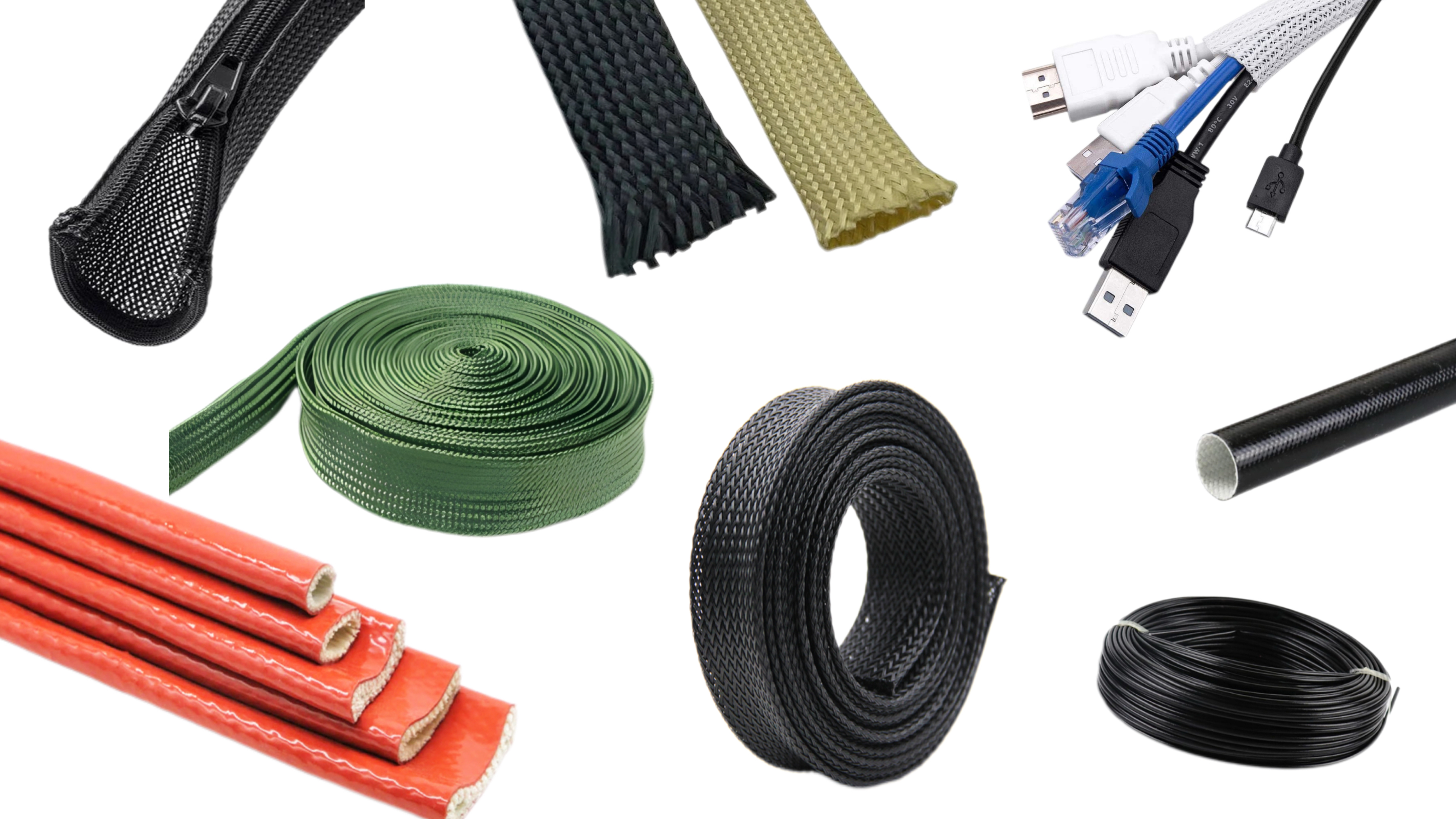
Two high-performance fiber braided models cover most civil and industrial wiring scenarios: Nylon cable sleeve and aluminized fiberglass sleeving.
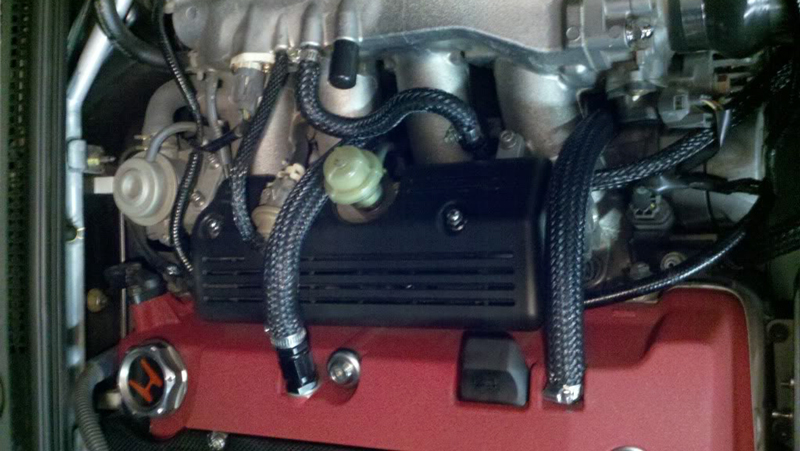
1. Nylon Cable Sleeve (External General Protection)
Made of high-toughness expandable nylon braided material, nylon cable sleeve serves as outer fiber protection for ordinary wire harnesses. It features excellent flexibility, stretchability, abrasion resistance and chemical resistance. It can effectively prevent cable outer skin from wear and aging caused by long-term bending and friction. With stable cold and heat resistance, it adapts to various complex wiring environments such as equipment internal circuits, automotive conventional wiring and household wire arrangement.
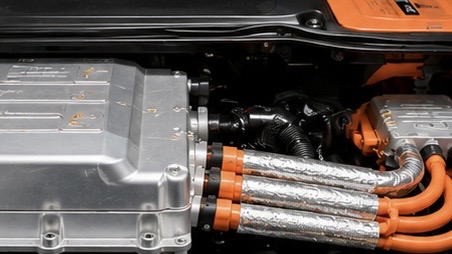
2. Aluminized Fiberglass Sleeving (External High-Temperature Protection)
As a heat-insulating fiber braided sleeve, aluminized fiberglass sleeving adopts fiberglass woven base with outer aluminum foil composite layer. It is specially used for external protection of high-temperature pipelines and heat-exposed cables.
The fiberglass layer improves the temperature resistance of the sheath, while the aluminum foil layer reflects most radiant heat. It effectively avoids cable insulation melting, aging and failure under long-term high-temperature baking. It is widely used for engine wiring, industrial high-temperature equipment and marine heat-area circuits.
Practical Functions of Metal Braided Shielding Sleeves
Different from fiber sleeves focusing on physical protection, metal braided sleeves are mainly designed for electromagnetic interference shielding. They are core accessories for precision signal cables and industrial power wiring. According to different structural styles and installation methods, metal braided sleeves are divided into internal integral shielding type and external open retrofitting type, represented by Tinned copper braided wire and EMI wire shielding sleeve respectively.
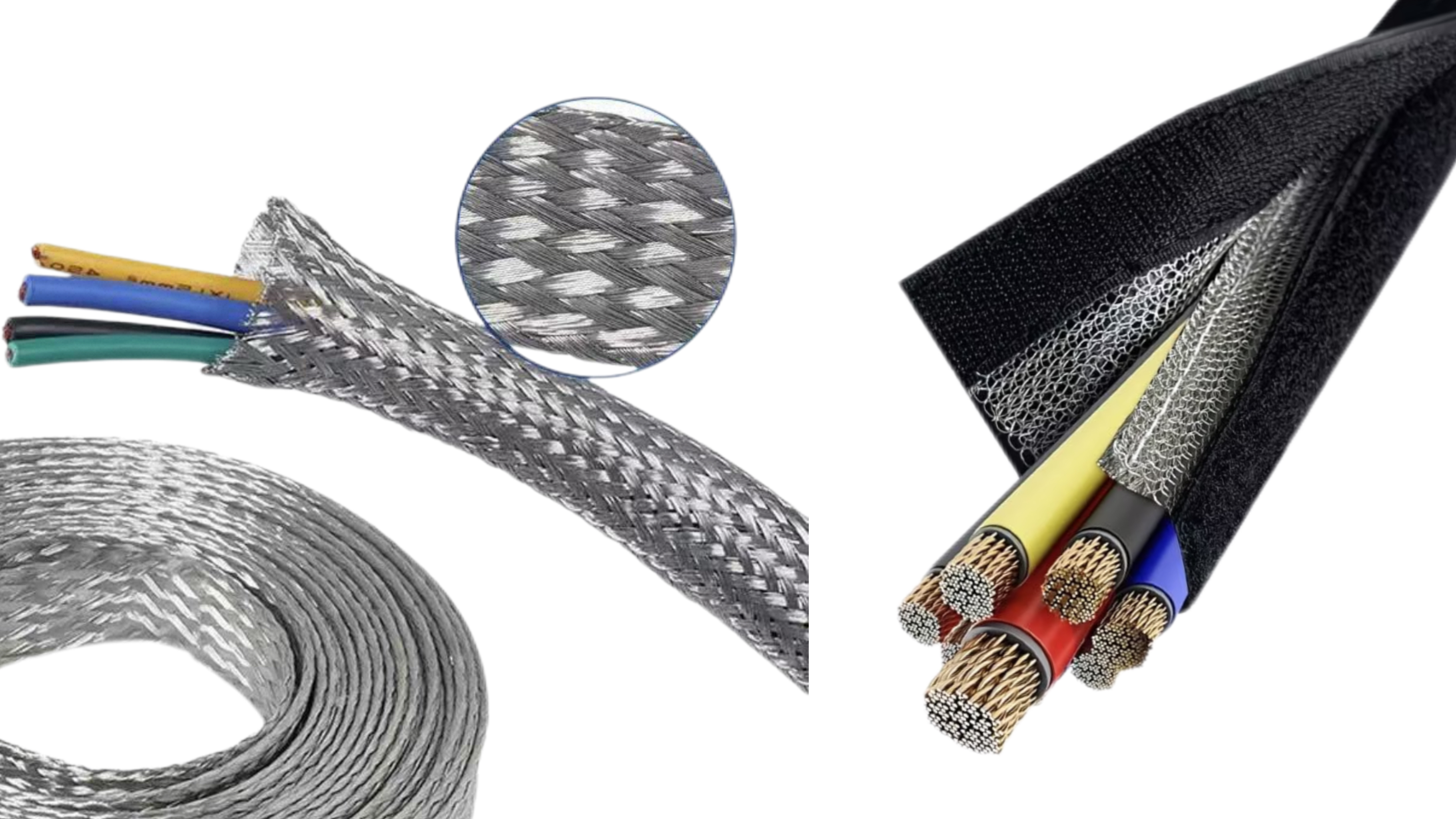
1. Tinned Copper Braided Wire (Internal Integrated Shielding)
This tinned copper braided wire is a built-in shielding layer for power cables and control signal cables, with stable shielding performance. It provides efficient electromagnetic shielding. The dense copper braided structure isolates external EMI interference and ensures stable signal transmission of control cables and communication wires.
Its wide application coverage covers multiple mainstream industries, including industrial automation control, high and low voltage power transmission, new energy vehicles, rail transit and motor vehicles.
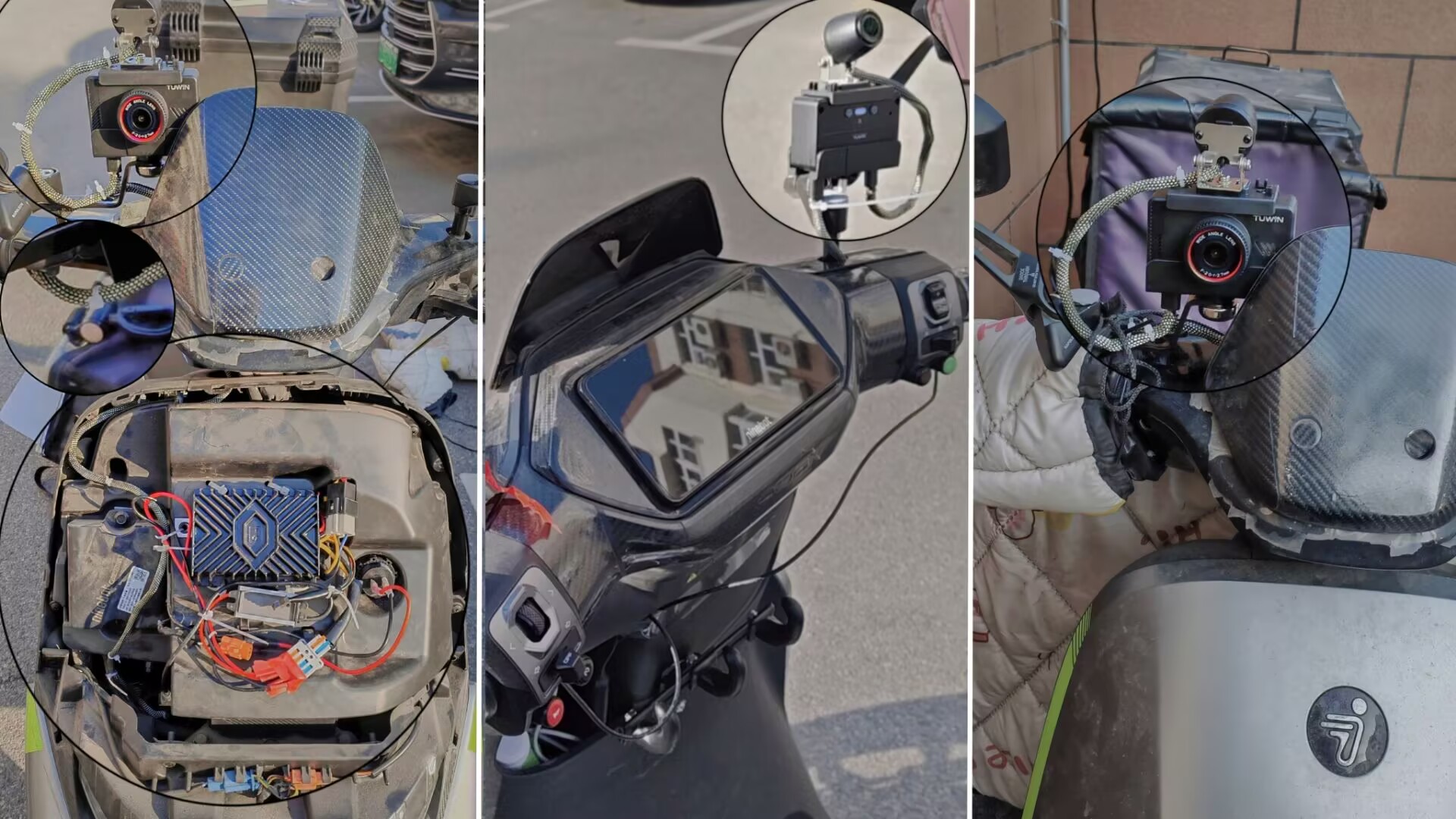
2. EMI Wire Shielding Sleeve (External Open Shielding)
EMI Wire Shielding Sleeve,also known as hook-and-loop type metal braided sleeve, is a reusable external shielding solution for finished wiring. Different from traditional closed copper braided tubes, it adopts an open self-wrapping structure, which does not require wire disconnection and can be directly retrofitted on installed wire harnesses.
It realizes convenient secondary shielding for finished cables, solving the difficulty of later electromagnetic protection transformation of old wiring.
The reusable opening design facilitates daily circuit inspection, wiring adjustment and fault maintenance.While maintaining high-standard EMI shielding performance, it integrates flame retardant, dustproof and wear-resistant properties, perfectly matching the needs of numerical control instruments and rail transit.
Conclusion
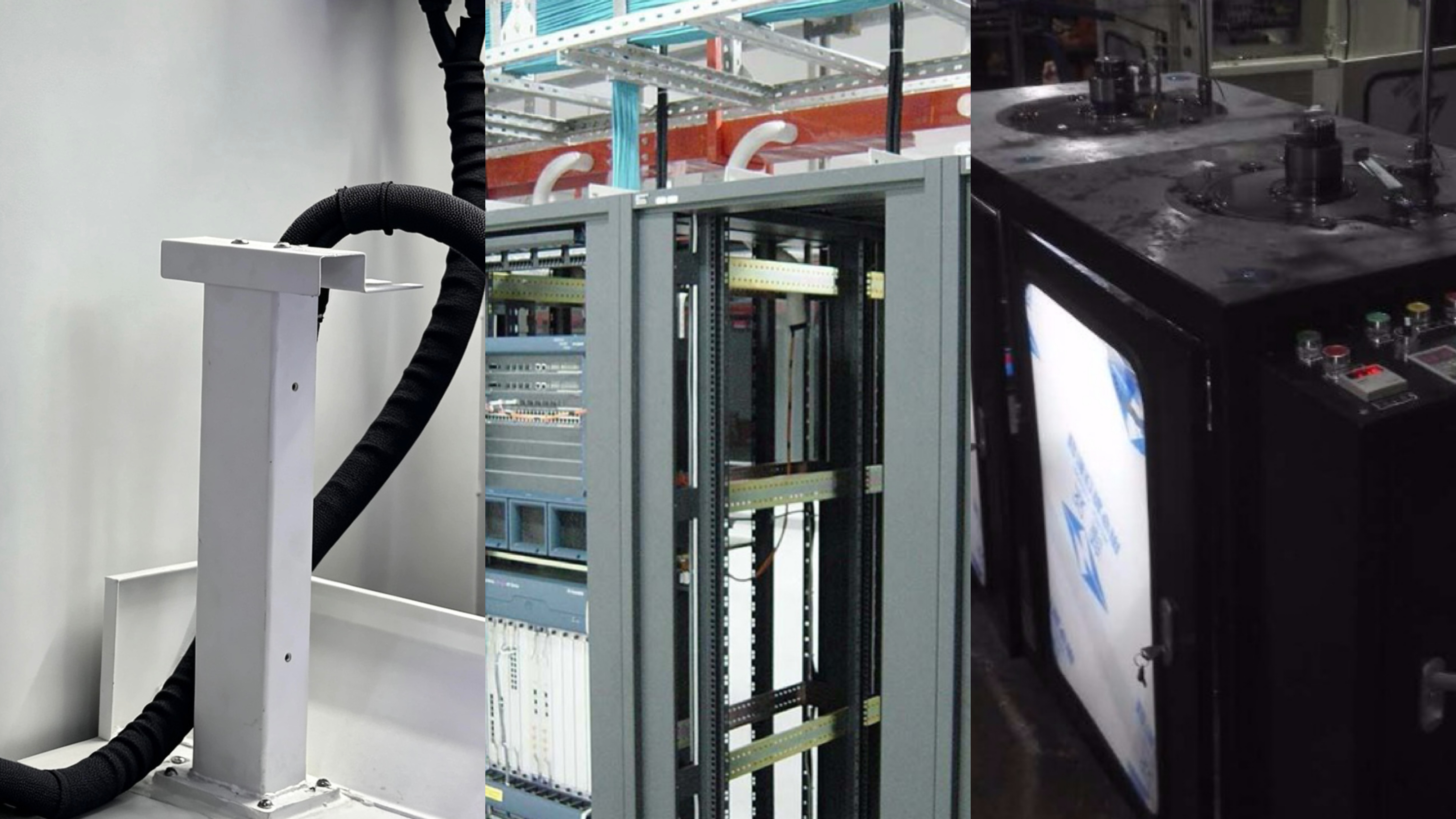
Braided construction is the most common and practical structure for cable protective sleeves. Both fiber and metal woven sleeves feature high flexibility and perfect fitting for various wire harnesses. Fiber braided sleeves provide reliable physical protection against wear, corrosion and high temperatures, while metal braided sleeves offer excellent EMI shielding performance.
FAQ
Q1:What are the common types of braided sleeves?
A1:They include braided split wire loom, zipper cable sleeve,PET expandable braided sleeving, nylon cable sleeves, aluminized fiberglass sleeving, tinned copper braided wire, EMI wire shielding sleeve and so on.
Q2:When should I use nylon cable sleeve?
A2:Nylon cable sleeves are the best choice for general wiring that requires flexible protection, wear resistance and daily anti-aging performance. It is ideal for equipment internal circuits, household wiring and standard automotive harnesses.
Q3:What is aluminized fiberglass sleeving used for?
A3:It is specially designed for high-temperature environments. The aluminum foil reflects radiant heat and the fiberglass base improves heat resistance, making it suitable for engine wiring, industrial high-temperature pipelines and marine heat-area cables.
Q4:What are the advantages of tinned copper braided wire?
A4:Tinned copper braided wire provides stable internal EMI shielding. It effectively isolates external electromagnetic interference and ensures stable signal transmission, widely used in automation, power transmission, new energy and rail transit industries.
Q5:What are the benefits of EMI wire shielding sleeve?
A5:The hook-and-loop open structure allows fast installation on finished cables without wire cutting. It provides reusable EMI shielding, flame retardant, dustproof and wear-resistant performance for medical equipment and frequently maintained rail transit wiring.
Q6:How to choose between fiber sleeve and metal sleeve?
A6:Choose fiber braided sleeves if you need wear resistance, high temperature insulation and physical protection. Choose metal braided sleeves if your cables suffer signal instability, electromagnetic interference or require industrial-level shielding.