


News
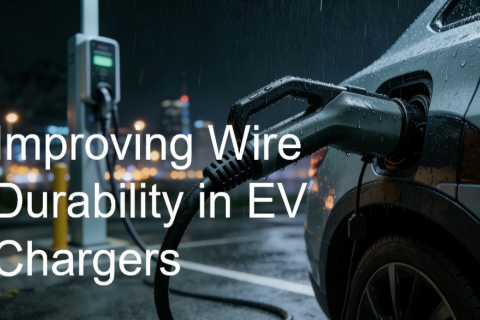
Electric vehicles have become a major mode of transportation, but they also bring new challenges. Problems with electric vehicle charging cables are among them. Friction during use (on flat surfaces) or damage caused by rough handling can lead to cable damage. These additional expenses could be avoided. Using a cable sleeves with excellent wear resistance, flame resistance, and ease of removal would be a great convenience.
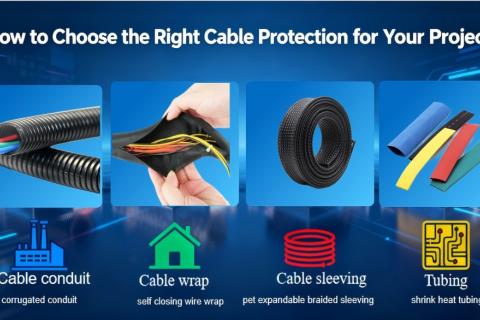
Though cable protection products (cable conduits, cable wrap, cable sleeves, and Tubing) may look similar in industrial settings, they differ greatly in application scenarios and protective functions. Incorrect selection can lead to long-term safety hazards, resource waste, and inefficiency—even if temporary harness protection is achieved—making the choice of the right product critical.
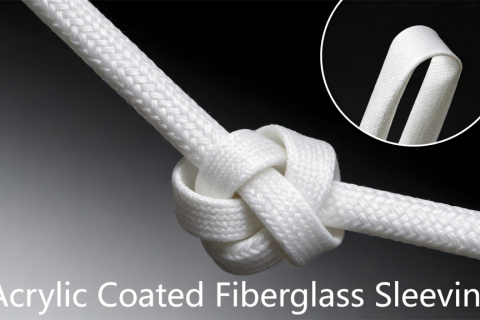
Worried about your wires and cables suffering high-temperature damage, friction wear or moisture corrosion? Acrylic-coated fiberglass sleeving is the perfect solution. Durable, easy to handle and highly protective, it’s widely used in household appliances, automotive wiring and industrial equipment. Let’s explore why it’s a top choice for cable protection.

Why choose LSZH cable sleeves? Unlike standard sleeves that emit toxic halogen fumes and thick smoke in fires, LSZH alternatives release minimal smoke, zero toxins, and meet IEC 61034 & UL 94 V0 standards. Flexible, easy to install, and durable (10+ years lifespan), they protect people and equipment in offices, hospitals, factories, and homes—worth the 10% upfront premium for long-term safety and cost savings.

Xiamen QX Trade celebrates Thanksgiving and our 20th anniversary, honoring long-term employees and strengthening team spirit. Grateful for our outstanding team and shared success.
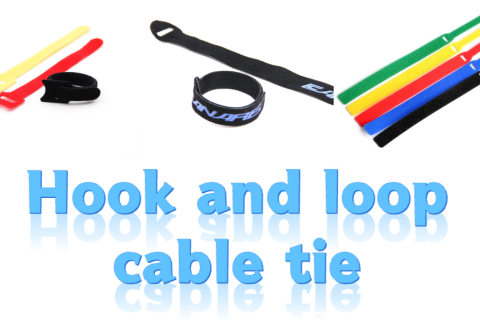
Hook and loop cable ties are essential for electronic wiring, home organization, and outdoor bundling. To ensure safety and durability, choose the right type—cat-head for heavy loads, round-head for safety, and needle-type for precision—along with materials suited to your environment. When cutting hook and loop cable ties, leave 5–8 mm extra, use proper tools for a clean perpendicular cut, and smooth any burrs. Versatile in industrial, home, outdoor, and special applications, hook and loop cable ties should be regularly checked and replaced to maintain efficiency and reliability.
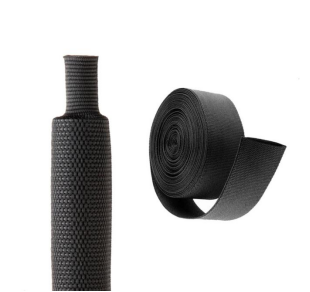
Specialized sleeving offers next-level protection against heat, cuts, chemicals, and EMI. Built with materials like Kevlar, fiberglass, and copper, it's the ultimate defense for your toughest cable challenges.
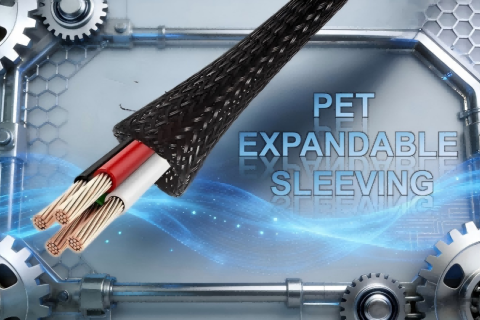
Unprotected industrial wiring is at risk of abrasion and mechanical damage from continuous vibration. These issues can eventually cause cable failure and result in costly unplanned downtime. Many wiring protection options are available on the market. Even so, PET braided cable sleeve remains a reliable solution for most general‑purpose industrial wiring projects.

What is the biggest pain point when sourcing custom cable sleeving from China in 2026? Though China boasts strong manufacturing and diverse cable‑protection options, most OEM buyers struggle to strike the right balance between cost control and reliable batch to batch quality.
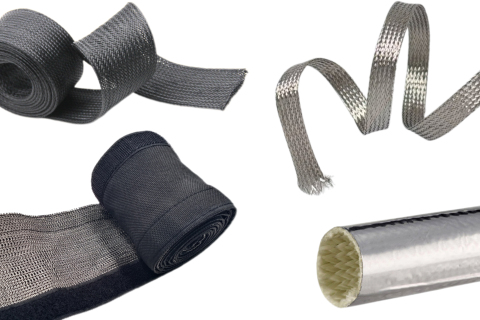
Braided sleeves are essential protective accessories for various wires and cables in daily and industrial wiring. Different braided materials and installation positions bring completely different protective effects.